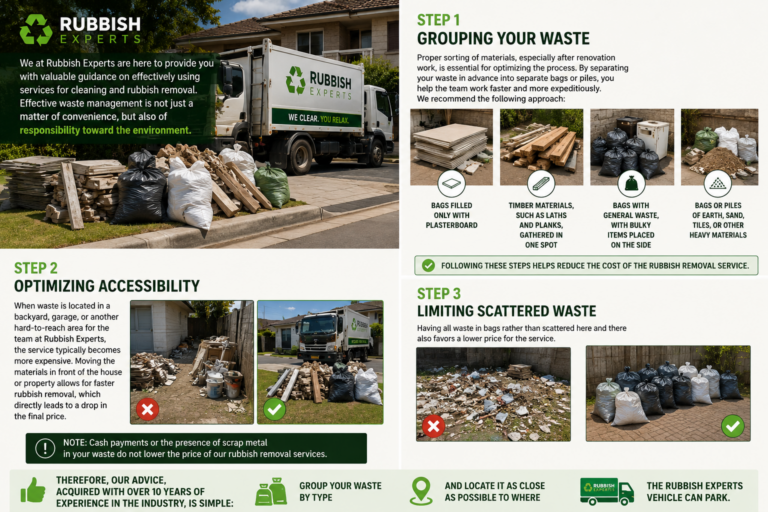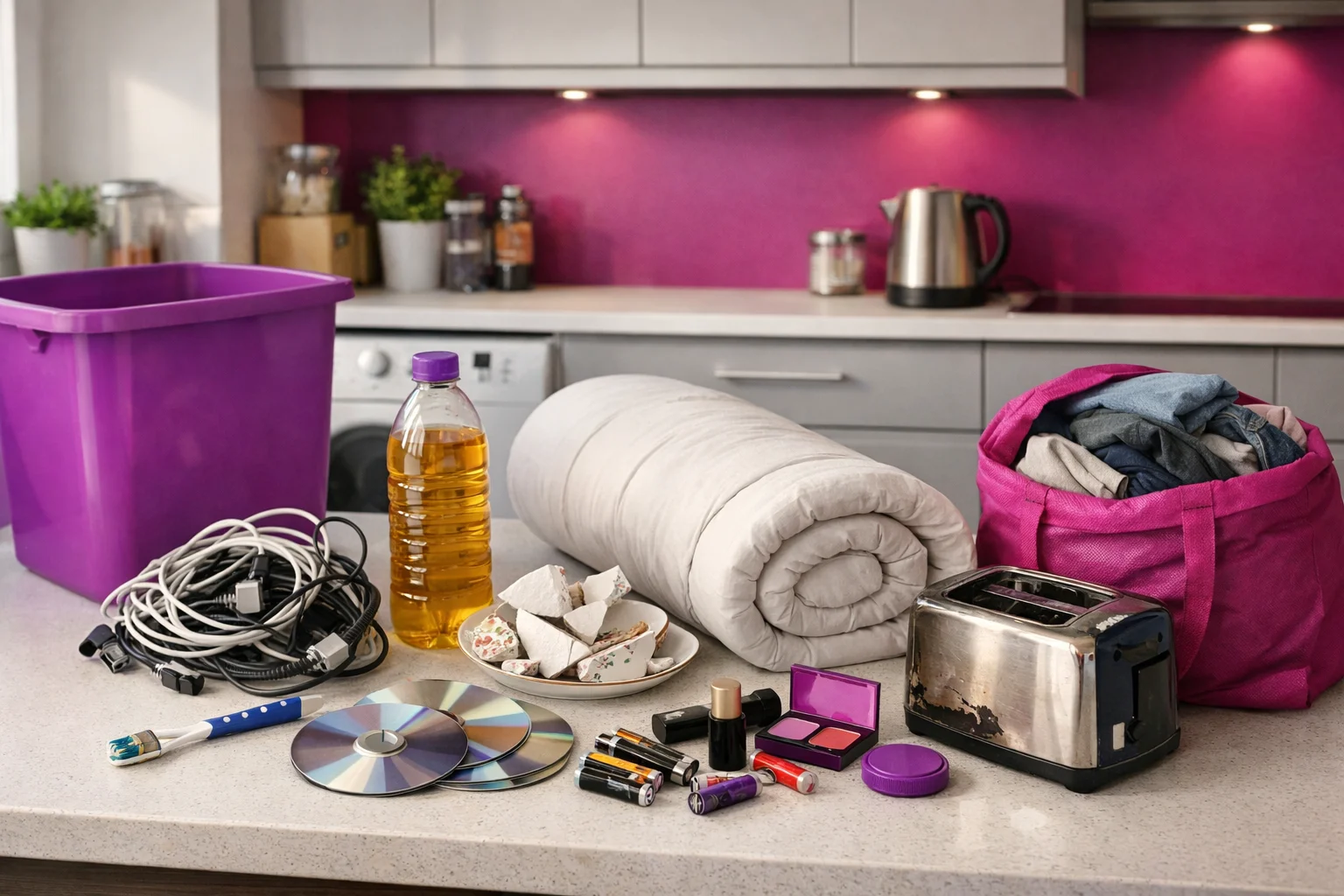

I used to believe that recycling only applied to bottles, cans, and cardboard. But over the years, I’ve learned that many everyday items we often throw away can actually be recycled and quite easily, too.
Discovering this changed how I manage waste at home, and it might do the same for you. Here are 10 common household items you might not realise can be recycled:
- Toothbrushes
- Electrical cables
- Used cooking oil
- Broken ceramics
- Old CDs and DVDs
- Mattresses
- Makeup packaging
- Household batteries
- Small kitchen appliances
- Clothing and textiles
Let’s look at how to recycle each one properly.
Why Recycling Household Items Matters More Than You Think?
In the UK, we generate millions of tonnes of household waste every year. Even though recycling awareness is growing, many recyclable items still end up in landfill simply because people don’t realise they can be recycled.
One waste removal expert I spoke with told me,
“We often see things like cables, electronics, and even textiles going straight to the tip. Most people just don’t know they’re recyclable or how to recycle them.”
That lack of knowledge leads to unnecessary waste and missed opportunities to support a more sustainable lifestyle.
Understanding what can be recycled, and how to dispose of it properly, is the first step to improving your household’s impact.
Which 10 Common Household Items Can Actually Be Recycled Without You Realising?
1. Old Toothbrushes
Toothbrushes are a common item found in every UK household and also one of the most frequently discarded in general waste. Made from hard plastic handles and nylon bristles, they are not accepted in standard kerbside recycling. However, that doesn’t mean they’re destined for landfill.
How to Recycle:
- Collect used toothbrushes in a container.
- Look for a Terracycle Oral Care recycling programme or drop-off location near you.
- Many high-street pharmacies, dentists, and health stores in the UK participate.
- Post them to the recycling partner if a drop-off isn’t nearby.
These schemes process the materials separately, turning plastic into pallets used in furniture or construction.
Tips:
- Replace toothbrushes every 3 months and store the old ones for monthly recycling trips.
- Consider switching to bamboo toothbrushes, which are compostable (excluding the bristles).
- Don’t try to recycle them through your household recycling bin they will be rejected and increase sorting costs.
Recycling toothbrushes requires minimal effort once a routine is in place. With more brands supporting oral care recycling, it’s becoming easier to keep this everyday item out of landfill.
2. Broken Electrical Cables
Electrical cables from phone chargers to HDMI cords often accumulate in drawers until they’re eventually tossed in the bin. But what many don’t know is that these cables are made with valuable metals, including copper and aluminium, which are highly recyclable.
How to Recycle:
- Gather old or broken cables and sort them from devices.
- Take them to your local household waste and recycling centre (HWRC) under the WEEE (Waste Electrical and Electronic Equipment) category.
- Alternatively, use a licensed rubbish removal service like Rubbish Experts to collect e-waste responsibly.
At recycling centres, cables are shredded, the plastic insulation is separated, and the metals are extracted and reused in manufacturing.
Tips:
- Never cut open cables yourself this poses a safety hazard.
- Label any working cables separately for donation or resale.
- If recycling through a centre, check opening hours and what types of electricals they accept in advance.
By recycling cables instead of binning them, you’re helping recover scarce metals and preventing environmental contamination caused by improper disposal.
3. Used Cooking Oil
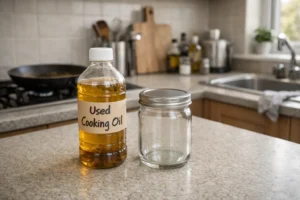
Pouring used cooking oil down the sink may seem convenient, but it’s one of the leading causes of blocked drains and fatbergs in UK sewers. Fortunately, cooking oil can be recycled into biodiesel, a renewable energy source.
How to Recycle:
- Allow the oil to cool completely after use.
- Pour it into a sealable container like an old bottle or jar.
- Take it to a recycling centre that accepts liquid cooking oil (check with your local council).
- Some commercial waste companies also offer collection services for large quantities.
Once collected, the oil is filtered, treated, and converted into biofuel that can power vehicles and machinery.
Tips:
- Avoid mixing oil with food scraps or water contamination makes it unrecyclable.
- Store oil in the fridge if collecting over time to prevent odour and spoilage.
- Do not place cooking oil in the kerbside bin this is considered hazardous waste.
Even a small household can contribute to clean energy by recycling cooking oil. Many areas across the UK now support oil recycling, so take advantage of local schemes to reduce kitchen waste sustainably.
4. Shattered Ceramics and Dishes
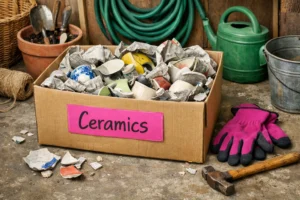
Broken plates, mugs, and other ceramic items are typically seen as non-recyclable and are often binned without a second thought. However, while they can’t go in your household recycling bin, shattered ceramics can still be recycled through proper waste channels in the UK.
How to Recycle:
- Carefully collect broken ceramic pieces in a box or container.
- Take them to your local recycling centre that accepts building and demolition waste or hardcore material.
- Staff will direct you to the appropriate skip. Don’t place them in the general waste pile.
- In some areas, ceramics are ground and used in road base materials or construction fill.
Tips:
- Wrap sharp pieces in newspaper or place them in a bag for safe transport.
- If the item is only chipped or cracked, consider upcycling it into plant pots or garden features.
- Always check with your local council before visiting the tip some centres require proof of residency or booking.
Recycling broken ceramics keeps heavy materials out of landfill and supports eco-friendly disposal practices. If you’re updating your kitchenware, make sure your old dishes don’t just end up in the bin.
5. Old CDs and DVDs
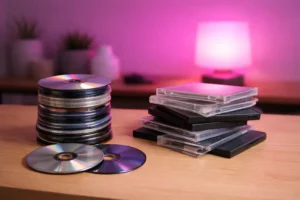
With the shift to digital media, many UK households have stacks of old CDs and DVDs collecting dust. While they may seem like obsolete clutter, these discs are made of polycarbonate plastic and sometimes include aluminium layers both of which are recyclable.
How to Recycle:
- Separate discs from their cases (cases can often go in plastic recycling).
- Gather discs in a box or envelope.
- Send them to specialist CD/DVD recycling services like Reclamations Ltd or use recycling banks that accept media.
- Alternatively, drop them off at designated electronic waste collection points.
These facilities shred the discs, extract usable materials, and repurpose them in items like automotive parts, streetlights, or even new discs.
Tips:
- Check with local charities before recycling some still accept discs for resale or reuse.
- Avoid placing discs in general recycling bins; they often end up being rejected.
- Remove any labels or stickers from discs to improve processing.
By recycling CDs and DVDs responsibly, households can free up space while reducing plastic waste that would otherwise persist in landfills for decades.
6. Mattresses
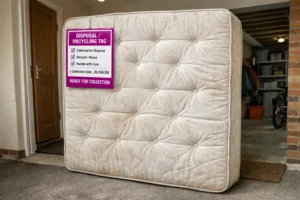
Mattresses are one of the most discarded household items in the UK and unfortunately, they are often dumped illegally or sent to landfill. What many don’t realise is that mattresses are fully recyclable when handled properly through registered waste disposal services.
How to Recycle:
- Contact your local council to see if they offer bulky waste collection services.
- Alternatively, book a professional rubbish removal company like Rubbish Experts for a more convenient solution.
- At the recycling facility, mattresses are dismantled manually:
- Metal springs are extracted and sent for metal recycling.
- Foam is reused in carpet underlay or insulation.
- Fabric is shredded for industrial use.
Tips:
- If your mattress is still in usable condition, consider donating it to a furniture reuse charity.
- Never leave mattresses on the kerb without arranging official collection. This is considered fly-tipping.
- Always use a licensed waste carrier to ensure your mattress is processed responsibly.
Recycling mattresses helps reduce bulky waste, recover valuable materials, and avoid illegal dumping. It’s a responsible way to handle one of the largest household waste items.
7. Makeup Packaging
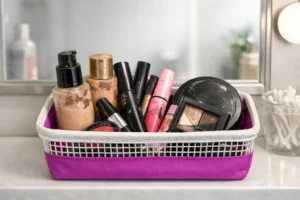
Makeup packaging is one of the fastest-growing sources of household waste. Items such as mascara tubes, compact cases, foundation bottles, and lipstick holders are often made from mixed materials, which means they are usually excluded from kerbside recycling.
Despite this, most cosmetic packaging can be recycled through specialist schemes.
How to Recycle:
- Empty all remaining product from the packaging.
- Clean items thoroughly to remove residue.
- Separate components where possible (for example, mirrors from plastic cases).
- Take items to brand take-back schemes or specialist recycling programmes such as TerraCycle.
- Some high-street retailers in the UK accept cosmetic packaging in-store.
These materials are processed and repurposed into new plastic goods or industrial materials.
Tips:
- Keep a small container in the bathroom to collect used makeup packaging.
- Avoid putting cosmetic items into household recycling bins, as contamination causes rejection.
- When buying new products, look for brands that clearly support recycling or refill options.
Recycling makeup packaging helps reduce plastic waste and supports more sustainable beauty consumption.
8. Household Batteries
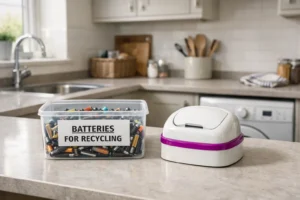
Household batteries are hazardous waste and should never be placed in general rubbish bins. They contain chemicals that can leak into soil and water, posing serious environmental and safety risks. Fortunately, batteries are widely recyclable across the UK.
How to Recycle:
- Collect used batteries in a non-metal container.
- Take them to battery recycling points, commonly found in supermarkets, electronics stores, and council buildings.
- Place batteries into the designated battery recycling bin.
- Recycling facilities extract metals such as zinc, lithium, and steel for reuse.
Battery recycling prevents fires at waste facilities and allows valuable materials to be reused in new products.
Tips:
- Tape battery terminals before recycling to reduce fire risk.
- Never mix batteries with household waste.
- Rechargeable batteries should also be recycled when they no longer hold charge.
Proper battery recycling is a simple yet essential step in safe household waste management.
9. Small Kitchen Appliances
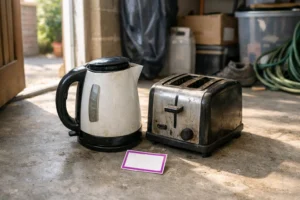
Small kitchen appliances such as kettles, toasters, microwaves, and blenders are classified as electrical waste under UK regulations. These items contain recyclable metals, plastics, and wiring, but they must be disposed of correctly.
How to Recycle:
- Unplug the appliance and remove any detachable parts.
- Take it to a household waste and recycling centre that accepts WEEE items.
- Some retailers accept old appliances when purchasing replacements.
- Alternatively, use a licensed rubbish removal service for collection.
At recycling facilities, appliances are dismantled, and components are sorted for reuse or processing.
Tips:
- Never place electrical items in general recycling bins.
- Check if the appliance is repairable before recycling.
- Use professional rubbish removal services for multiple or bulky electrical items.
Recycling appliances conserves raw materials and ensures compliance with UK environmental regulations.
10. Clothing and Textiles
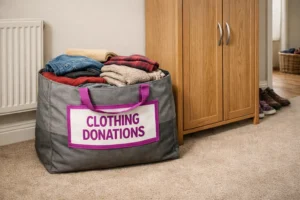
Clothing and textiles are among the most commonly wasted household items. While many people associate textile recycling with charity donations, even damaged or worn-out fabrics can be recycled.
How to Recycle:
- Separate wearable clothing from damaged textiles.
- Donate usable items to charity shops or clothing banks.
- Take damaged textiles to textile recycling bins or council recycling centres.
- Some retailers offer clothing take-back schemes for recycling.
Recycled textiles are broken down into fibres and reused in insulation, cleaning cloths, or industrial materials.
Tips:
- Do not bag textiles with household waste.
- Ensure items are dry before recycling to prevent mould.
- Shoes should be paired and tied together before recycling.
Recycling clothing and textiles reduces landfill waste and supports a circular economy within the UK.
What are the Tips for Recycling Household Goods the Right Way?
Recycling household items isn’t just about tossing things in the right bin it’s about understanding what’s recyclable, how to prepare it, and where it should go.
Over time, I’ve realised that even the most environmentally conscious households can make simple mistakes that lead to recyclable goods being rejected or wasted.
The good news? With the right approach, recycling can be both easy and highly effective.
Here are some practical, experience-based tips to help UK households recycle more effectively and responsibly.
Sort Before You Recycle
One of the most common issues seen at recycling centres is cross-contamination recyclable items being mixed with non-recyclables. This often results in entire batches being rejected.
| Recyclable Items | Keep Separate From |
| Clean paper & cardboard | Food-stained or greasy packaging |
| Plastic bottles (washed) | Plastic bags or films |
| Aluminium cans | Containers with food residue |
| Glass jars (clean) | Ceramics or broken dishes |
Tip: Set up clearly labelled bins or containers at home for different material types. Keep one for recyclables, one for reusables, and one for general waste.
Clean and Dry Before Disposal
Recyclable items that are dirty or wet often cause more harm than good. Moisture can damage paper, while food residue can contaminate plastics and metals.
My personal rule is simple: if I wouldn’t want to touch it again, I shouldn’t expect a recycling facility to deal with it. A quick rinse and dry goes a long way.
Know What Can and Can’t Be Recycled Locally
Recycling rules vary between councils in the UK. Some accept plastic tubs and trays, while others don’t. Electronics, textiles, and ceramics are generally not accepted in household bins but can still be recycled through the right channels.
| Item Type | Kerbside Bin | Recycling Centre | Specialist Scheme |
| Plastic bottles | Yes | Yes | – |
| Small electricals | No | Yes | Yes |
| Batteries | No | Yes | Yes (retailers) |
| Clothing & textiles | No | Yes | Some stores |
| Ceramics (broken dishes) | No | Yes | – |
Tip: Check your local council’s recycling guide regularly it changes more often than people realise.
Don’t Wishcycle
“Wishcycling” is when we toss items into the recycling bin hoping they’ll be accepted. Unfortunately, this does more harm than good, as incorrect items disrupt the recycling process.
Examples of wishcycling include:
- Black plastic trays (often not accepted)
- Greasy pizza boxes
- Disposable coffee cups with plastic lining
- Bubble wrap
Tip: If in doubt, leave it out or take a minute to verify on your local recycling site.
Use Registered Waste Removal Services for Complex Items
Not everything can be handled through weekly collections. Appliances, mattresses, and mixed-material waste should be recycled through licensed waste carriers like Rubbish Experts.
We’ve helped countless households in the UK responsibly recycle large or awkward items. From old fridges to worn-out furniture, we ensure each item is sorted and sent to the correct recycling or disposal stream.
Label and Store Items for Drop-Offs
If you’re planning to visit a recycling centre or donate goods, proper labelling and storage saves time and reduces the risk of items being turned away.
Examples of good practice:
- Group batteries in a sealed container
- Store textiles in clean, dry bags
- Label electricals by condition (working / not working)
Upcycle Where Possible
Before recycling, consider reusing or repurposing. I’ve personally turned old jars into storage containers, and worn-out T-shirts into cleaning cloths. Not everything needs to be thrown out some items can be given a second life with a bit of creativity.
Struggling to Recycle Certain Household Items?
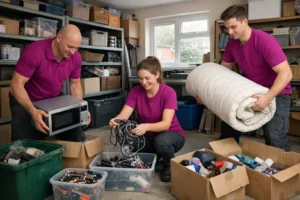
Not sure what to do with old electricals, worn-out mattresses, or random clutter that’s not accepted in your kerbside bin? You’re not alone, and we’re here to help.
At Rubbish Experts, we understand how confusing recycling can be. What goes where? What can actually be recycled? What if it’s bulky or broken? That’s where we come in.
We offer professional, eco-friendly rubbish removal services designed to take the stress and uncertainty out of household waste disposal. Whether it’s a one-off appliance or an entire garage full of mixed items, we’ll collect, sort, and ensure it’s all disposed of responsibly following UK recycling guidelines.
Wondering if Our Service Really Makes a Difference?
Here’s what UK households have shared about their experience:
“I had no idea where to take my broken microwave and tangled cables Rubbish Experts made it easy. They came the same day and even sorted it for recycling.”
“After renovating, we were stuck with old tiles, broken dishes, and general waste. The team cleared everything fast and responsibly. Brilliant service!”
“We had a full garage of household items after a move. They knew exactly what could be recycled and where it needed to go. I didn’t have to lift a finger.”
Give us a call today. Let Rubbish Experts do the heavy lifting and ensure your waste is recycled the right way.
Conclusion
Recycling household items goes beyond just separating plastics and paper it’s about making informed choices that reduce waste and support a cleaner environment.
From forgotten items like cooking oil and cables to bulky goods like mattresses and appliances, there’s a responsible way to handle them all.
At Rubbish Experts, we provide a reliable, eco-conscious rubbish removal service to help households across the UK recycle properly.
Whether you’re dealing with everyday clutter or a full house clearance, we’re here to make the process easier, safer, and fully compliant with UK recycling standards. Let’s recycle smarter, together.
FAQs
What household items are commonly recycled incorrectly in the UK?
Items such as cables, batteries, and small appliances are often placed in general waste despite being recyclable.
Can household appliances be recycled legally in the UK?
Yes, appliances fall under WEEE regulations and must be recycled through approved facilities.
Are ceramics recyclable through kerbside bins?
No, ceramics should be taken to recycling centres that accept construction-grade materials.
Is rubbish removal better than DIY recycling?
Rubbish removal ensures correct sorting and compliance, especially for bulky or mixed waste.
How can households reduce recycling mistakes?
By checking council guidance and avoiding assumptions about recyclability.
What happens to recycled household waste?
Materials are processed and reused in manufacturing, construction, or energy production.
Why should batteries never go in household bins?
They contain hazardous chemicals that pose environmental and fire risks.